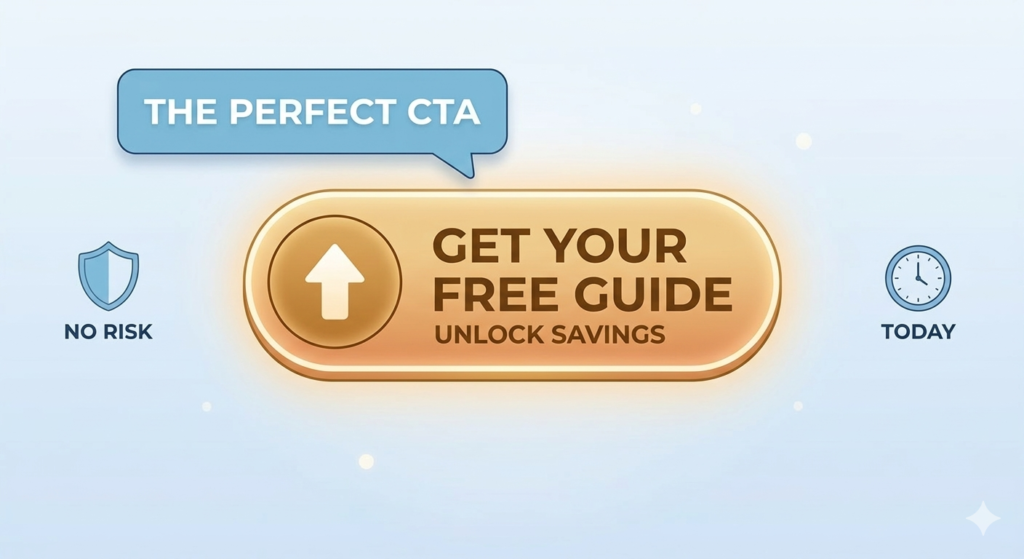
A call-to-action (CTA) is one of the most important elements in any digital product or content funnel. You can have a great lead magnet, eBook, or resource, but without a clear and persuasive CTA, people won’t take the next step. Learning how to write an effective call to action is essential for increasing downloads and turning visitors into engaged users. This guide shares practical CTA writing tips and strategies for downloading CTA optimization.
CTAs guide your audience toward a specific action. When downloading a resource, users often need a clear reason and a sense of confidence before clicking. A weak CTA creates hesitation, while a strong one removes doubt and encourages immediate action. Download-focused CTAs should be simple, benefit-driven, and easy to understand at a glance.
One of the most important CTA writing tips is to emphasize what the user gains, not just what they do. Instead of saying “Download,” explain the value of the download. People are more motivated by results than by instructions.
Example:
This approach makes your CTA feel purposeful and increases click-through rates.
An effective call to action uses strong verbs that create momentum. Words like “get,” “start,” “access,” and “discover” make the action feel active and rewarding. Avoid passive or vague language that doesn’t clearly communicate what will happen after the click.
Examples:
Clear action words are a key part of download CTA optimization.
Many users hesitate because they fear spam, hidden costs, or complicated processes. Addressing these concerns directly within or near your CTA builds trust. Small reassurance phrases can significantly improve performance.
Examples:
Removing perceived risk helps your CTA feel safer and more appealing.
Urgency encourages quicker decisions, but it must be genuine. Limited-time downloads, bonuses, or exclusive resources benefit from urgency-based CTAs. When used honestly, urgency can dramatically improve conversions.
Examples:
This is a powerful technique in CTA writing tips when combined with real scarcity.
Not every visitor is ready to commit. Early-stage users may prefer low-pressure CTAs like “Learn More” or “View Sample,” while warm audiences respond better to direct download prompts. Effective call-to-action messaging aligns with where the user is in their journey.
Download CTA optimization doesn’t end after publishing. Test different wording, button colors, placements, and sizes to see what works best. Even small tweaks can lead to noticeable improvements in download rates. Track results and continuously refine your approach.
Compelling CTAs are about clarity, confidence, and value. By applying proven CTA writing tips, focusing on benefits, and practicing consistent download CTA optimization, you can create an effective call to action that motivates users to click and download. When your CTA clearly answers “what’s in it for me,” conversions naturally follow.

Simply browse our curated library of digital courses, eBooks, and videos, choose what fits your needs, and complete your purchase using our secure checkout
Explore our library of courses, eBooks, and videos.
Securely pay with your card or PayPal
Get instant access and start learning right away.
We believe that the right digital content can transform ideas into action. Whether you’re scaling a business, building new skills, we’re here to fuel your journey.